September is international concussion awareness month, which we’ll take advantage of to advocate and educate about traumatic brain injuries.
What They Are
Surrounding the brain is something called cerebrospinal fluid. This, along with a few spongey layers, protects the brain from some injuries.
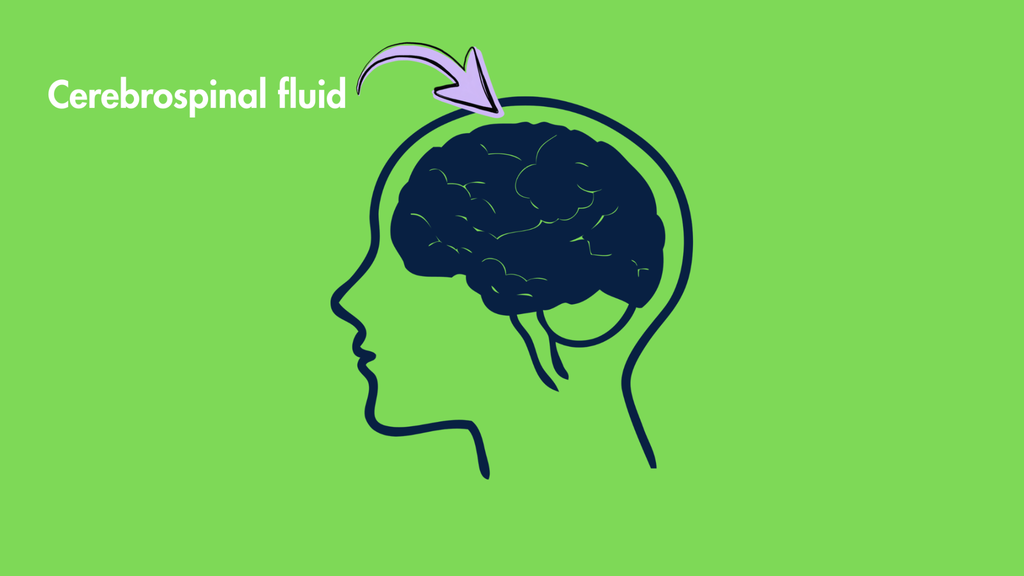
However, upon a harsh impact, the brain can move and hit the skull, causing a concussion. In severe cases, it can rebound off the skull and hit the opposite side, called a contrecoup injury.
Concussions are actually classified as a mild traumatic brain injury (TBI), and are most frequently caused by falls or collisions.
Initial Symptoms
If you’ve sustained some type of hit (including whiplash, intense shaking, or hits to the body) the following could indicate a concussion:
- Nausea or vomiting
- Changes in vision
- Fatigue
- Troubles with balance, dizziness
- Headaches or feeling of pressure in the head
- Difficulty concentrating
- Confusion
- Memory loss
Lasting Symptoms
Brain injuries can have some lasting effects on mental health. The most common areas that are injured are the frontal and temporal lobes, which control personality, mood, memory, speech, and more.
These injuries have the potential to cause depression, anxiety, and mood changes. The healing process, dealing with new deficits and sleeping disruptions can also be quite frustrating, adding to irritability.
Recovery
Mild concussions typically heal within 2-4 weeks, with symptoms peaking around the first 48 hours. It’s important to take it slow, and protect the head from further damage while recovering.
The risk of lasting damage goes up with the number of concussions, especially if they are sustained within a short amount of time. Always wear protective gear, and take proper time off from sports/hobbies when recovering.
If you are suffering from depression, anxiety, or other mood changes, our counsellors are here to help. Click here to book a free, 20-minute consultation.