When the brain experiences an extremely stressful event, it can sometimes change the way you think, feel, and behave in the world. Trauma can be difficult to process and understand, and the responses can be even stranger.
First, What is Trauma?
According to the American Psychological Association, trauma includes any experience that instills “significant fear, helplessness, dissociation, confusion, or other disruptive feelings” which impact the person’s life, emotions, behaviours and cognitions. It can include, but is not limited to, events such as:
- Being a victim of a crime (assault, robbery, etc.)
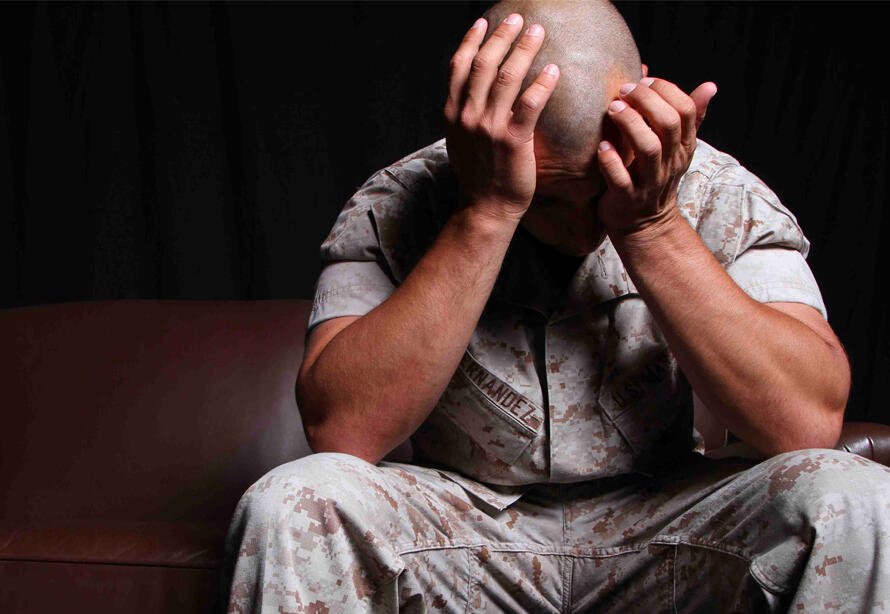
- Experiencing war-related events
- Seeing something traumatic happen to a loved one
- Natural disasters
- Abuse
- Physical injury
It can show up in unexpected ways. Below is a list of behaviours that could be a response to experience a traumatic event. However, it is important to note that when an individual experiences one or more of these, it could be linked to many things besides trauma. Furthermore, this is not an exhaustive list of trauma responses.
1) Difficulty concentrating, and general brain fog.
Stressful experiences can leave the brain a bit scattered for many reasons. Some are that it’s trying to process what happened, which takes up cognitive resources. Others are that the individual often thinks about the event often, making it difficult to focus.
2) Being easily startled and general anxiousness.
Sometimes, traumatic events leave us in a state of heightened stress and awareness. This may show up as being especially sensitive to loud noises, feeling “jumpy,” and being on-edge.
3) Feeling disconnected from reality and/or your body.
This sensation, a form of dissociation, often happens when your nervous system is in overdrive. It’s a way for your brain to “take a break” from feeling the stress, which can leave you feeling like you’re watching yourself from outside your body, like you’re not in control of your movements, or just generally disconnected from reality.
4) Feeling fatigued.
Some common symptoms that arise after a traumatic event are difficulty sleeping and nightmares. This, along with being in a general state of stress, can leave you feeling extra tired and fatigued.
5) Difficulty keeping up with your habits.
Maintaining a proper sleep schedule, eating healthy foods, drinking water, exercising, and more help us stay both mentally and physically healthy. On the flip side, they also require energy and time. When preoccupied, anxious, and fatigued, it’s tough to keep up with all these habits.
6) Physical symptoms like stomach upset, headaches, and shakiness.
Stress often manifests physically, including gastrointestinal issues, headaches and migraines, and shakiness.
7) Over or under explaining.
People cope in various ways. Some find themselves speaking more than they’d like about the event (or other topics) and some have a hard time discussing it at all.
8) Guilt.
You may feel guilty for surviving the event, for feeling emotions about it after, blame yourself for what happened, or feel guilty for other reasons. Sometimes it’s tough to identify where it’s coming from. Try to remember that the actions of others are not your fault, and experiencing emotions is human and valid.
9) Gaps in your memory.
With brain fog, lack of sleep, and all other trauma symptoms, it’s common for the memory to be affected. You may have difficulty recalling the event, past experiences, or day-to-day facts. This is often another protective mechanism the brain uses.
10) Other illnesses (mental and physical) getting worse.
Stress weakens the immune system, and can often exasperate ongoing medical issues. This includes mental illnesses like depression and anxiety, which often worsen after a traumatic event.
If you’re experiencing these or other symptoms, book a free 20-minute consultation here to speak to one of our trauma-informed counsellors.